
A few days ago, my AI personal trainer had me bench press 265 pounds for five reps
My one-rep max was 260 lbs, which I’d never told it. I had never benched 265 lbs.
I figured the AI thought I was getting stronger and wanted to challenge me, so I slapped on 265 lbs and went for it — I trusted the program, and I assumed it wasn’t hallucinating. First rep was slow but I managed it — a new personal record. The second one got to the bottom and stopped there.
I failed the rep and asked it why it had me attempting a weight I’d never lifted before. That’s when I told it my actual previous best — 260 lbs — which I’d never entered into the log. Neither of us had the full picture: it didn’t know my real numbers, and I didn’t know it had invented one.
It turns out the number was a hallucination. The PR was real.
Why an AI, and Why Not an App
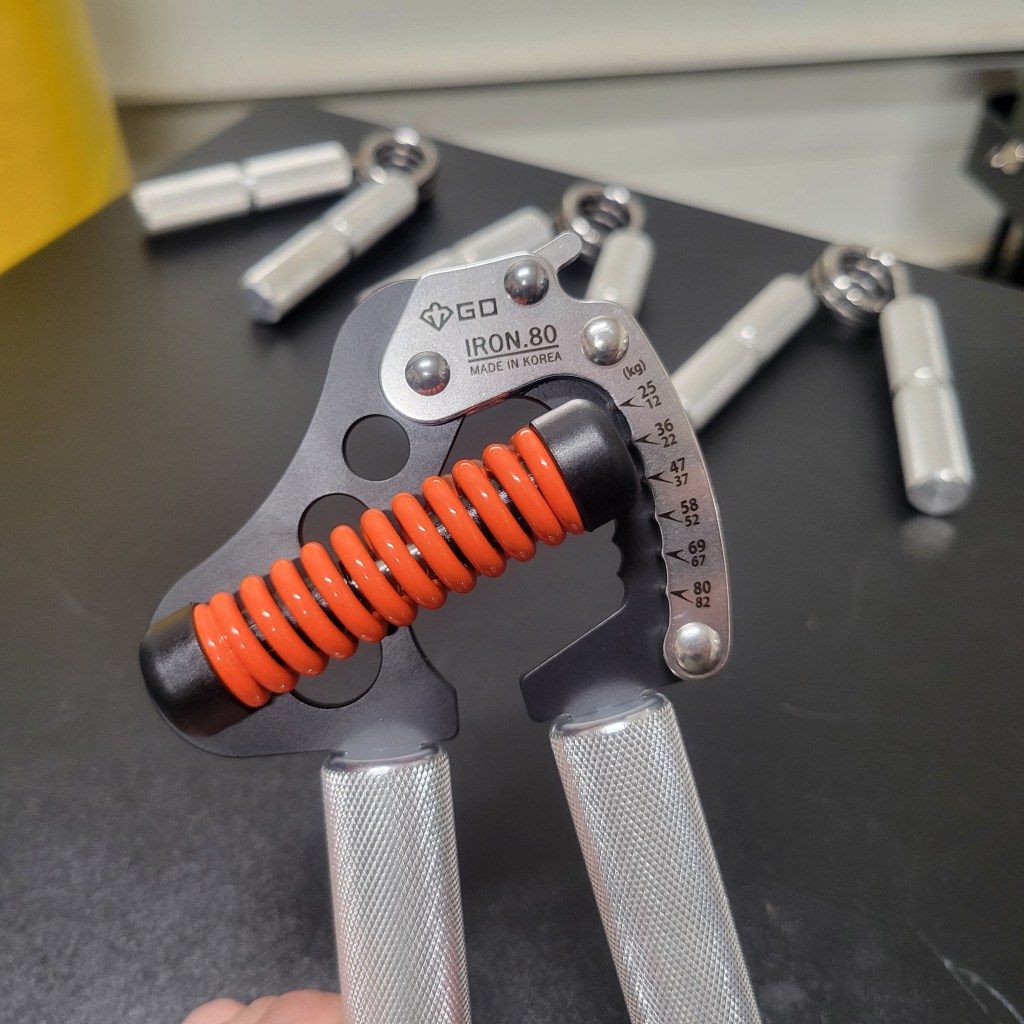
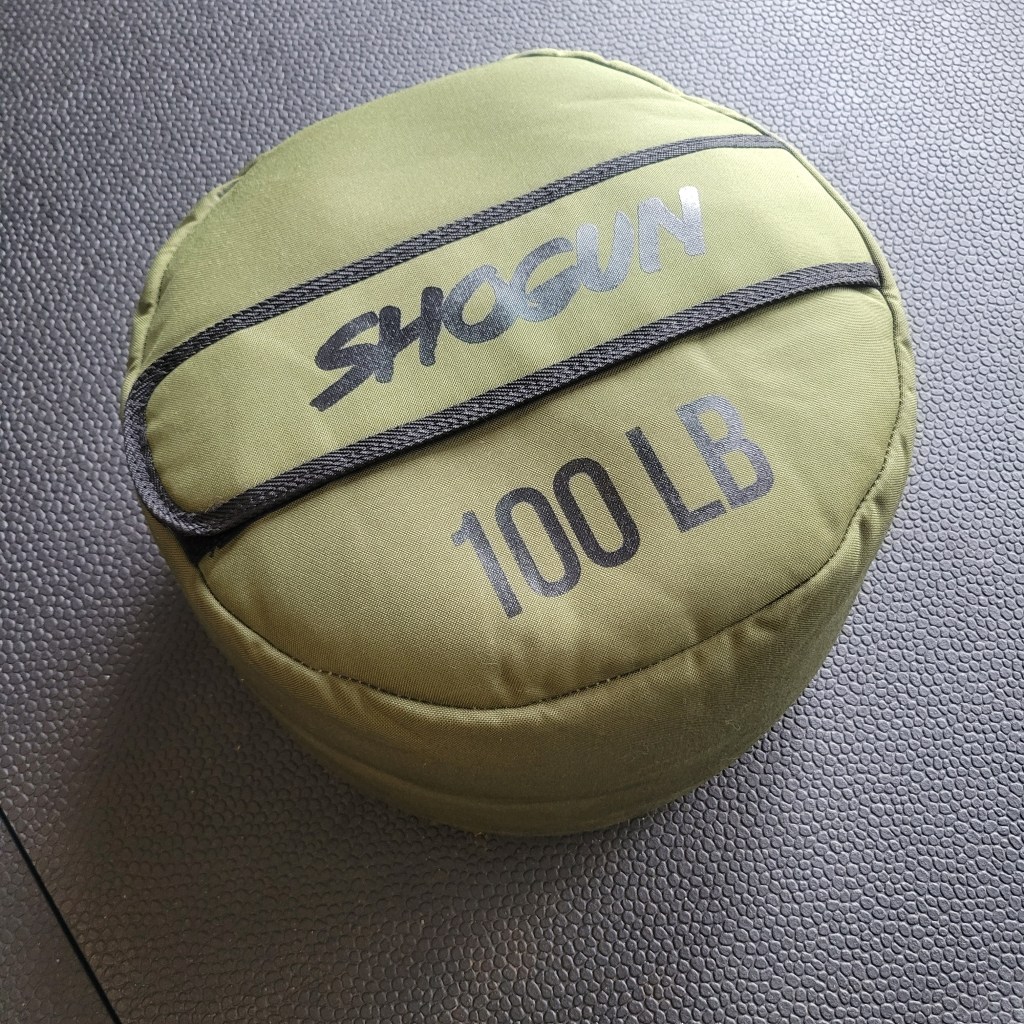
I have a home gym, and it doesn’t fit a template. A SquatMax MD belt squat, a transformer safety squat bar, a functional trainer, the Kratos flywheel, the Shogun Sport Nord-EX, an open trap bar, BFR cuffs, a Torque Fitness tank, battle ropes, gymnastics rings, an anterior tibialis machine, a Concept2 rower, various kettlebells and clubs, along with the standard adjustable dumbbells and Olympic weights. Along with many other bits and bobs. I have a fitness enthusiast’s playground at my disposal.
Unfortunately, most workout apps assume you’re going to a commercial gym. I’ve always wanted a free app — free of cost, but also free-form — where I could input the equipment I actually had and it would build workouts around that. I tried a few. None were really what I was looking for. So I decided to see if AI could solve it.
What I wanted was an intuitive program that changed with me. If I missed a workout, it adjusted the schedule. If I was sore or had slept badly, it adjusted the dose. If I’d done something the day before that wasn’t in the plan, it counted it. And it stayed tailored to my goals.
The system runs on three things:
- Inventory — I told the AI, in natural language, the equipment I had and what I usually use it for.
- Goals and schedule — It doesn’t force a calendar. I told it my goals, how many times I planned on working out per week, and let it know that was subject to change — I wanted it to adjust my workouts if it did.
- Step-by-step workouts — When I was doing the workout, I asked it to work through it with me step by step so I could give feedback and adjust when necessary.
In the beginning, it was a bit rocky. It recommended that I do shoulder presses with the transformer safety squat bar. It treated my SquatMax MD like a barbell and told me I should put a 45-pound plate on each side. Anybody who knows anything about working out knows those are silly recommendations. It also kept giving me the same leg day, workout after workout — same exercises, same order, just heavier weight each time leg day came back around. So I told it I didn’t want that: not that I minded doing an exercise twice in one training week, but I wanted variety the next time we hit legs, not just the same routine with more weight stacked on. But after a bit of trial and error, I was doing some pretty good workouts.
I’ll say I was, at one point, a NASM-certified personal trainer, so I know a thing or two about working out. When I saw a recommendation that was not ideal, I made sure to correct it. Also, I’m using a local LLM — I imagine if you’re using a frontier model, it will be better. Either way, it’s an iterative process and you need to be patient.
What It Gets Right
On a day when you’re not feeling it, it meets you where you are. One morning I was sluggish — procrastinating since 7 a.m. By 2 p.m. I told it I was having a kind of lazy feeling day. It adjusted the workout — lower weight, less volume — and I ended up feeling a lot better after.
It absorbs life’s chaos and adjusts. I had legs scheduled, but life sometimes gets in the way of the ideal workout plan. I told it what I did do that day — 90 minutes of eskrima flow sparring. It logged it, turned the leg day into an active recovery day, and adjusted to my life instead of the other way around.
It’s infinitely adjustable as well. It’ll give you what it thinks you want, but you can change it. Even small things — it would sometimes say to rest for 90 seconds, and other times for 2 minutes and 30 seconds. It’s the same kind of thing as parents describing their kid’s age in months instead of years — technically correct, but now I have to do mental math to compare them. So I told it to always say 1 minute and 30 seconds, and stick to one format.
You can also change larger things. In the beginning I was having it work through my workout with me step by step in the chat window — it told me what to do for each section, I told it when I was done and if I did something different, and I could ask for clarification on what it meant. Now I have a dashboard for the day’s workout where I can check off each section as I finish it and edit the sets, reps, or weight depending on what I did, and I can still ask for clarification in the chat window if necessary.
What It Gets Wrong
It hallucinated me benching 265 lbs for four reps, which is why it recommended I do it for five this week — not knowing that the most I’d benched in this block of training was 225 lbs for five reps. I only caught it because I failed the rep and pushed back, asking why it had me attempting something I’d never lifted before.
It also recommends things that shouldn’t be done, like the shoulder press with the transformer safety squat bar mentioned earlier. But if you know what movements you want to do with what equipment, you can train the AI to know what to recommend in the future.
It also recommends things that shouldn’t be done, like the shoulder press with the transformer safety squat bar mentioned earlier. But if you know what movements you want to do with what equipment, you can train the AI to know what to recommend in the future.
Final Thought
If you’re new to working out and you blindly follow whatever it tells you to do, you could hurt yourself. If you’re an elite athlete with specialized goals, this probably isn’t going to be for you either.
But if you’re in the middle — you know what you’re doing and you just want to add a little more structure or variety to your training — this could definitely be a good option for you.
Also, the most exciting thing for me is that AI is improving at an alarming rate. As I’m writing this, know that the version I’m using did the worst job it will ever do — which was still pretty good. It will only get better in the future as better models become available.
If you try building something like this yourself, when a recommendation feels off, don’t just go along with it — ask it directly why it’s telling you to do something you’ve never done before. That’s the habit that caught my hallucinated PR before it turned into a bad rep — or a bad injury. Let me know how it goes.
If you liked this, you might also enjoy:
Why You Should Build a DIY Flow Rope
Rope flowing has exploded in popularity, but does it live up to the hype? Here’s why a DIY build might be the best entry point — and why the best benefit has nothing to do with fitness.
If You Want to Be Good at Something, Do it for an Unreasonable Amount of Time
Getting good at something has nothing to do with talent. It has everything to do with showing up long enough that staying bad at it becomes unreasonable. Here’s what that actually looks like.