We live in a “one-click” world. Want something? Go to a website, hit a button, and it shows up at your door two days later. It’s convenient. It’s also the most expensive way to live.
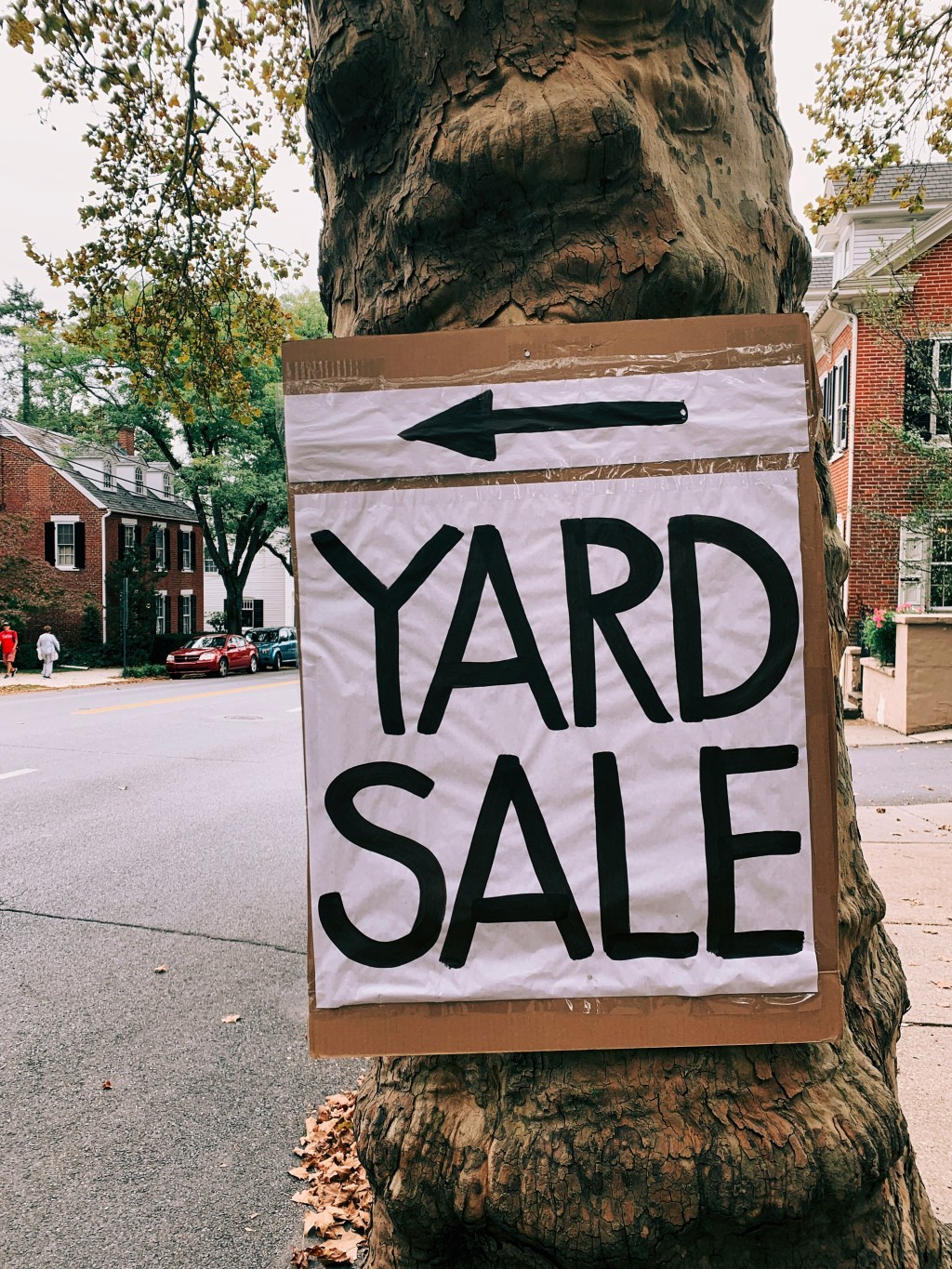
I’ve learned that with a little patience and a bit of hunting — on Facebook Marketplace, at garage sales, in the classified ads — you can save thousands of dollars and often end up with better stuff than you could afford new. This isn’t about being cheap. It’s about being smart.
The $1,000 Mistake That Started It All
I learned this the hard way.
I really wanted a Torque Fitness Tank — an elite piece of gym equipment. I paid roughly $1,500 for it brand new. My logic was airtight (I thought): “There’s no way someone would sell this used. It’s too cool. Nobody would ever part with it.”
Less than six months later, I saw the exact same model on Facebook Marketplace for $500.
That was a $1,000 lesson in humility. I had assumed that because I valued something, the rest of the world would too. But people move. They lose interest. They need the space. Someone else’s “I need this gone by Saturday” is your golden opportunity.
The Hunt in Action
After that wake-up call, I started hunting instead of buying.
I wanted a functional trainer — the kind of cable machine you see in commercial gyms. My budget was $2,000. Nothing new was in that price range, if I spent a few hundred more dollars I could get something good, but not great. So I waited.
I didn’t find a deal on day one. But I kept checking. Eventually, a Freemotion Functional Trainer appeared — a commercial-grade unit that belongs in a high-end gym. New price: over $8,500. Asking price: $2,000. It was incredibly heavy and a total pain to move, but I now own a “forever” piece of equipment for less than the price of a budget model.
The Marketplace also gave me a Cornelius keg for $5 (they sell new for $60+) and a high-end air purifier for $20 (that model retails for over $800). The hunt works for almost anything if you’re willing to look and wait.
It Scales Up: The Smart Car Buyer
Here’s where the mindset really proves itself — cars.
The frugal, financially savvy car buyer doesn’t walk into a dealership and sign up for a five-year loan on a shiny new vehicle. They look for a solid used car, pay cash (or as close to it as possible), and drive off without a monthly payment hanging over them. Some go even further: a car with a reconstructed title — one that was previously declared a total loss but has been repaired — can sell for dramatically less than its market value. Yes, there’s more due diligence required. Yes, you need a good mechanic to inspect it. But for someone who knows what they’re looking at, a reconstructed title car can be one of the best deals on the road.
The principle is the same whether you’re buying a kettlebell or a car: the market misprices things all the time, and patience is how you take advantage of it.
Think Like an Investor
The best way I can describe the Marketplace Hunter mindset is this: think like a good investor.
When a fundamentally strong company hits a rough patch and its stock drops, inexperienced investors panic and sell. The experienced investor looks at that same drop and sees a sale. The company didn’t get worse — the price just got better. They buy more.
The Marketplace is the same game. A great piece of equipment doesn’t become worse equipment because someone needs to move it out of their garage. A well-maintained car doesn’t lose its quality because it has some cosmetic damage and a complicated title. The underlying value is still there — the price just dropped. Your job is to recognize the difference between something that got cheaper and something that got worse.
Most people can’t make that distinction. That’s what creates the opportunity for those who can.
The Rules of the Hunt
This isn’t all sunshine and low prices. To hunt well, you need three things:
1. Inspect before you buy. People sometimes sell things cheap because they’re broken or don’t work quite right. Poke it, plug it in, test it before you hand over any cash. Assume nothing works until you confirm it does.
2. The handy advantage. If you know how to fix things, or can use YouTube and/or AI to help you know how to fix things, you can unlock deals that are basically steals. A “broken” item is often a five-minute fix for someone who isn’t afraid of getting their hands dirty and a little bit of work. The more capable you are, the cheaper the world gets.
3. Patience is key. You can’t need it today. If you need something immediately, you will pay full price — that’s the tax on impatience. But if you can wait a week, a month, or longer, the right deal will surface. Every hunter knows: the prey comes to you eventually.
The Bottom Line
Buying used isn’t just about saving money — though it does save you a lot of money. It’s a mindset shift. You stop being a passive consumer reacting to whatever’s in your cart and start being an active participant who controls what things cost you.
The investor buys when others panic. The smart car buyer pays cash for what others overlook. The Marketplace Hunter gets the $8,500 machine for $2,000.
Next time you’re about to click “Buy it Now,” take a breath. Check the Marketplace first. The best version of what you want might be sitting in a garage five miles away — and the person selling it just wants it gone by the weekend.
Disclaimer (Please Read): Nothing in this article is financial, legal, or mechanical advice. I am just a person on the internet who bought a large piece of gym equipment and felt good about it. If you get financial, legal, or mechanical advice advice from that kind of person maybe you should reflect on your life choices. If you buy a car with a reconstructed title and it falls apart, a stock and it goes to zero, or a “lightly used” air purifier that turns out to be a humidifier from 2003 — that’s on you. Do your own research, talk to actual professionals, and inspect everything before handing over your hard-earned cash. I am not liable for your decisions. I am, however, rooting for you and wish you the best.